 Stark
Creating Brand Style Guides That Ensure Consistent Visual Identity Across Digital Channels
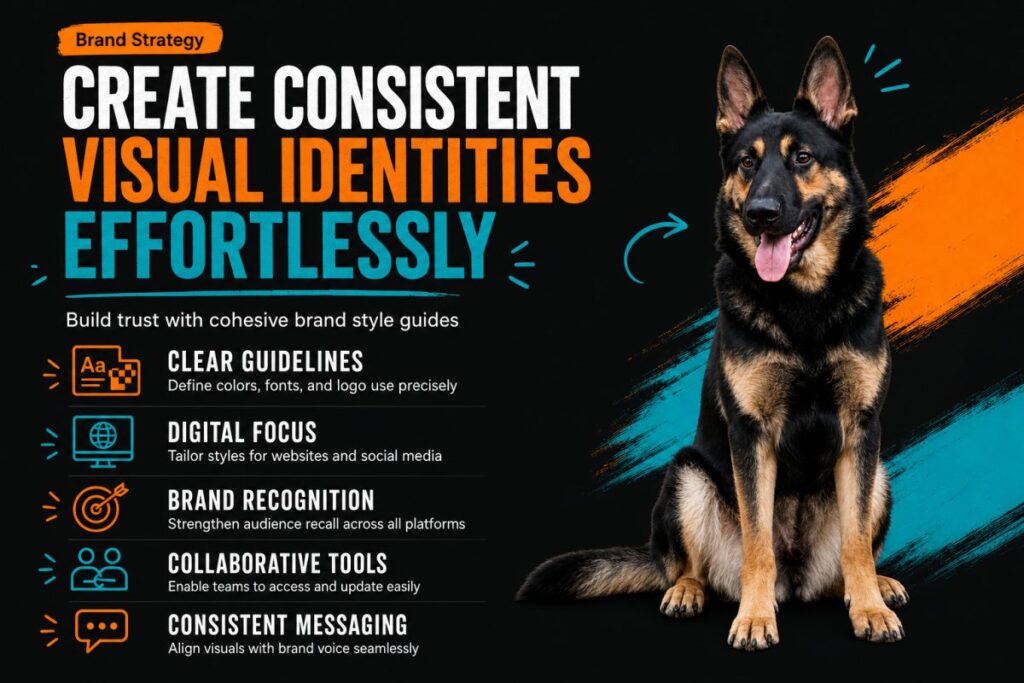
In today’s crowded digital marketplace, maintaining a consistent visual identity is crucial for building a trustworthy and recognizable brand. This is where brand style guides come into play. These practical documents serve as a roadmap for how your brand looks and feels across all marketing materials and digital platforms. Whether you’re a small business owner or part of a growing team, developing a clear, actionable style guide is essential to keep your brand coherent and professional. In this article, we’ll walk through the process of creating effective brand style guides that help you maintain consistency and strengthen your brand presence online.
Why Brand Style Guides Matter for Digital Consistency
Every business wants to be memorable and trusted by its audience. A brand style guide ensures that your messaging and visuals align no matter where your customers encounter your brand. From your website to social media profiles, email campaigns, and even paid ads, consistent branding builds recognition and confidence.
Building Trust Through Visual Consistency
When your colors, fonts, logos, and imagery follow a defined set of rules, your audience immediately knows they’re interacting with your brand. This familiarity fosters trust and loyalty, which are key to long-term customer relationships.
Preventing Mixed Messages and Design Confusion
Without a style guide, different team members or external vendors may use varied fonts, colors, or logos, creating a fragmented brand experience. This can confuse customers and dilute your marketing efforts. A comprehensive guide keeps everyone on the same page.
Streamlining Content Creation and Marketing Efforts
Having a clear style guide speeds up the production of marketing materials. Designers and writers can quickly reference the guide instead of making decisions from scratch, reducing revisions and speeding time to market.
Key Elements to Include in Your Brand Style Guide
A practical brand style guide balances thoroughness with usability. It should cover essential visual and verbal components that your team needs to maintain consistency, without overwhelming users with excessive detail.
1. Logo Usage and Variations
Define how your logo should appear in different contexts. Include specifications for size, clear space, color variations (full color, black and white, reversed), and incorrect usages to avoid.
2. Color Palette
Specify your brand’s primary and secondary colors with exact color codes (HEX, RGB, CMYK). Explain when and where each color should be used to maintain harmony across digital channels.
3. Typography Guidelines
List your brand fonts for headings, body text, and accents. Provide rules for font sizes, weights, line spacing, and usage examples to ensure text is legible and on-brand.
4. Imagery Style and Iconography
Describe the style of photos, illustrations, and icons that fit your brand voice. Include dos and don’ts, preferred filters or overlays, and example images to guide content creators.
5. Voice and Tone
Clarify how your brand speaks to its audience. This includes preferred language style, formality, and any phrases or words to avoid. This section ensures written content is consistent and aligned with your brand personality.
6. Layout and Grid Systems
Offer guidance on how to arrange content visually. This includes margins, spacing, alignment, and use of white space, helping designers create balanced and clean layouts.
7. Examples and Templates
Provide sample layouts for common digital materials like social media posts, email newsletters, and web pages. Templates save time and reduce guesswork for your team.
Steps to Develop a Practical Brand Style Guide
Creating a style guide is a collaborative process that requires thoughtful planning and input from your team and stakeholders. Here’s a step-by-step approach to building a guide that works in practice.
- Audit Your Current Brand Assets: Gather all existing logos, color schemes, fonts, marketing materials, and digital content to understand what’s already in use and what needs standardization.
- Define Your Brand Core: Revisit your brand values, mission, and target audience. Your style guide should reflect the personality and goals of your business.
- Choose Your Visual Elements: Select logo versions, color palettes, typography, and imagery styles that best represent your brand identity.
- Write Clear Usage Rules: Be explicit about how to use each element correctly. Include visual examples to illustrate proper and improper use.
- Include Voice and Tone Guidelines: Ensure your messaging is consistent by outlining your brand’s preferred communication style.
- Design the Guide for Easy Reference: Structure your guide with clear headings, visuals, and concise language so it’s accessible for all team members.
- Distribute and Train: Share the guide with your team and any external partners. Provide training sessions if needed to ensure everyone understands and follows the guidelines.
- Review and Update Regularly: Your brand will evolve, so schedule periodic reviews of your style guide to keep it relevant and effective.
Tools and Formats for Your Style Guide
Brand style guides can take many forms, from simple PDFs to interactive web-based portals. Choose the format that best suits your team’s workflow and accessibility needs. Popular tools include:
- Design software like Adobe InDesign or Figma for polished print or digital guides
- Dedicated brand management platforms that centralize assets and guidelines
- Online documents (Google Docs or Notion) for easy updating and sharing
Maintaining Brand Consistency Across Digital Channels
Once your style guide is in place, the next challenge is ensuring it’s applied consistently across all digital touchpoints. This requires ongoing effort and collaboration.
Training Your Team and Partners
Make sure everyone involved in creating content, from designers to social media managers, understands the importance of the guide and how to use it. Regular workshops or quick reference cheat sheets can help reinforce best practices.
Using Templates and Automated Tools
Leverage templates for social posts, email campaigns, and website pages that already incorporate your style rules. Automated tools that enforce branding rules during content creation can reduce errors and save time.
Regular Audits and Feedback Loops
Schedule periodic audits of your digital channels to check for consistency. Encourage feedback from team members and customers to identify areas where your branding may be slipping or could improve.
Adapting to New Channels and Trends
As your business grows and new digital platforms emerge, update your style guide to include these new contexts. Staying flexible while maintaining core brand elements is key to long-term success.
Conclusion: Build Your Brand with a Reliable Style Guide
Creating and maintaining a brand style guide is an investment that pays off by ensuring your business presents a unified, professional image across all digital channels. It helps build trust, streamline marketing efforts, and protect your brand identity from inconsistency. At Stark Create, we specialize in crafting custom brand identity systems and style guides tailored to your unique needs. Ready to strengthen your brand’s visual consistency and stand out online? Visit Stark Create to learn more about our branding and web development services. Together, we build, create, and solve your brand challenges for lasting success.