 Stark
Stark Scaling Your Website Infrastructure: Preparing for Business Growth Without Downtime
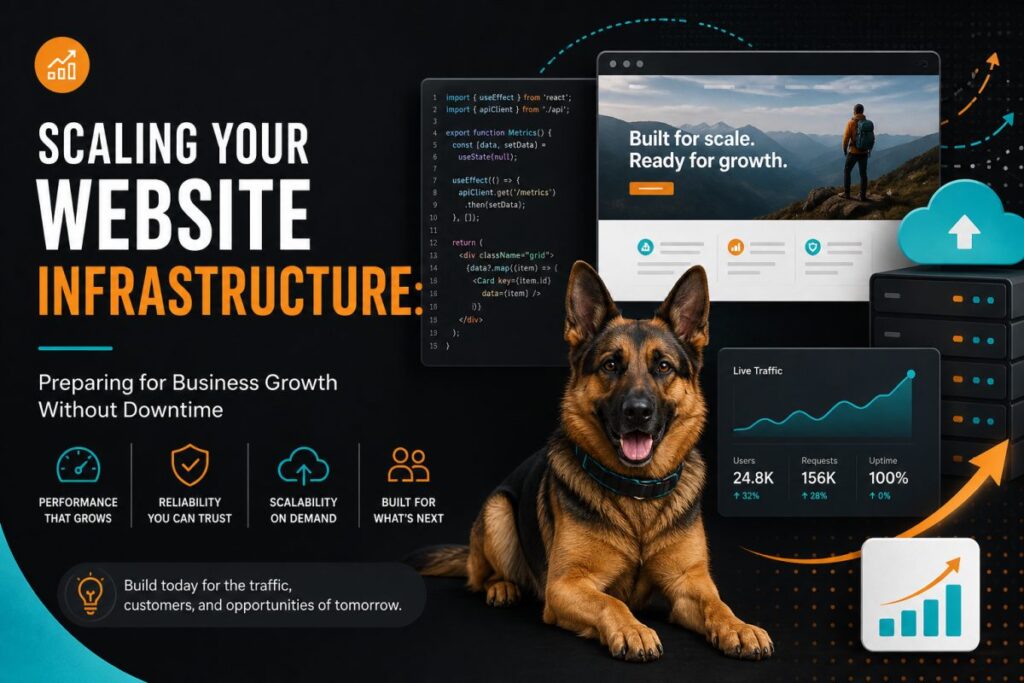
As your business grows, your website becomes more than just a digital brochure — it’s a critical platform for sales, customer engagement, and brand reputation. Scaling your website infrastructure effectively ensures your online presence can handle increased traffic, transactions, and features without slowing down or crashing. In this article, we’ll explore practical strategies to build a scalable and secure website that grows alongside your business demands, all while avoiding downtime that can cost you customers and revenue.
Why Scaling Your Website Infrastructure Matters
Many small and local businesses start with simple, off-the-shelf website templates or basic hosting plans. While these work fine initially, they can quickly become a bottleneck as your audience expands or your service offerings evolve. Without a scalable infrastructure, you risk slow page loads, server crashes, and security vulnerabilities — all of which damage user experience and SEO rankings.
Scaling your website infrastructure means designing and implementing systems that can handle increasing loads, adapt to new technical requirements, and maintain high performance and security. It’s not just about adding more server power; it’s about smart architecture and proactive maintenance.
Core Strategies for Building a Scalable Website
1. Choose the Right Hosting Environment
Your hosting environment is the foundation of your website’s performance and scalability. Shared hosting might work for startups, but as traffic grows, it often leads to resource constraints and slowdowns. Consider upgrading to:
- Virtual Private Servers (VPS): Offers dedicated resources with better control and scalability.
- Cloud Hosting: Platforms like AWS, Google Cloud, or managed WordPress hosts provide flexible resources that scale automatically with traffic spikes.
- Dedicated Servers: For high-traffic, resource-intensive sites, dedicated servers ensure maximum performance and security.
Each option has pros and cons depending on your budget, technical expertise, and growth plans. A scalable hosting solution minimizes downtime and keeps your site responsive during peak usage.
2. Optimize Your Website’s Architecture
How your website is built plays a huge role in scalability. Here’s what to focus on:
- Modular Design: Use a modular or component-based approach in your codebase, allowing you to add or update features without disrupting the entire site.
- Efficient Database Management: Optimize queries, implement caching, and consider database replication to handle higher loads.
- Content Delivery Network (CDN): Distribute static assets like images, CSS, and JavaScript through CDNs to reduce server load and improve load times globally.
- Asynchronous Loading: Load non-critical resources asynchronously to speed up initial page rendering.
3. Implement Scalable Security Measures
Security can’t be an afterthought, especially as your site grows. More users and data mean more risk. Scalable security strategies include:
- Automated Backups: Schedule regular backups with easy restoration options to prevent data loss.
- Firewall and DDoS Protection: Use web application firewalls and DDoS mitigation services to protect against attacks that can cripple your site.
- SSL/TLS Certificates: Ensure encrypted connections to build trust and improve SEO.
- Role-Based Access Control: Limit backend access to essential personnel and implement multi-factor authentication.
Scaling Your WordPress Site: Special Considerations
As a WordPress-focused studio, we know WordPress powers millions of business websites — but scaling it requires specific care. Here’s how to keep your WordPress site scalable:
Custom Plugins and Integrations
Off-the-shelf plugins can slow your site or cause conflicts when traffic surges. Custom plugins built with clean, efficient code tailored to your business needs scale better and reduce bloat. Additionally, custom integrations with CRM or inventory systems improve workflow without overloading your site.
Regular Maintenance and Monitoring
Scaling isn’t a one-time project; it’s an ongoing commitment. Regular audits of your site’s performance, security updates, and proactive troubleshooting help catch issues before they cause downtime. Using monitoring tools to track server uptime, page speed, and error rates provides valuable insights to guide scaling decisions.
Load Testing Before Traffic Spikes
Preparing for seasonal or campaign-driven traffic spikes with load testing simulates real-world conditions. This helps identify bottlenecks and optimize your infrastructure ahead of time, so your site stays online and fast when it matters most.
How to Plan Your Website Growth Without Downtime
1. Understand Your Traffic Patterns
Knowing when and how your traffic grows is essential. Analyze analytics data to spot trends, peak hours, and user behavior. This informs decisions on scaling resources and scheduling maintenance windows during low traffic periods.
2. Develop a Phased Scaling Approach
Scaling all at once can be costly and risky. Instead, plan incremental upgrades aligned with business milestones. For example:
- Upgrade hosting as traffic hits 70% of current capacity.
- Implement CDN and caching after initial hosting upgrade.
- Introduce custom plugin optimizations as new features roll out.
- Regularly review security and backup protocols.
3. Communicate With Your Development Partner
Collaboration is key. Your development partner should act as a teammate, helping you anticipate growth and adjust infrastructure accordingly. Transparent communication minimizes surprises and downtime.
Conclusion: Build a Website That Grows With You
Scaling your website infrastructure is a critical step for any growing business that wants to maintain a professional, reliable online presence. By choosing the right hosting, optimizing your site’s architecture, implementing scalable security, and planning growth phases carefully, you can avoid costly downtime and performance issues.
At Stark Create, we specialize in building custom WordPress websites and plugins designed to scale with your business. We pride ourselves on clean code, real solutions, and a collaborative partnership approach — We Build. We Create. We Solve. Together.
Ready to prepare your website for the next stage of growth? Visit StarkCreate.com to learn how we can help you build a scalable, secure, and high-performing website tailored to your business needs.