 Stark
Stark Security Essentials Every Small Business Website Needs in 2026
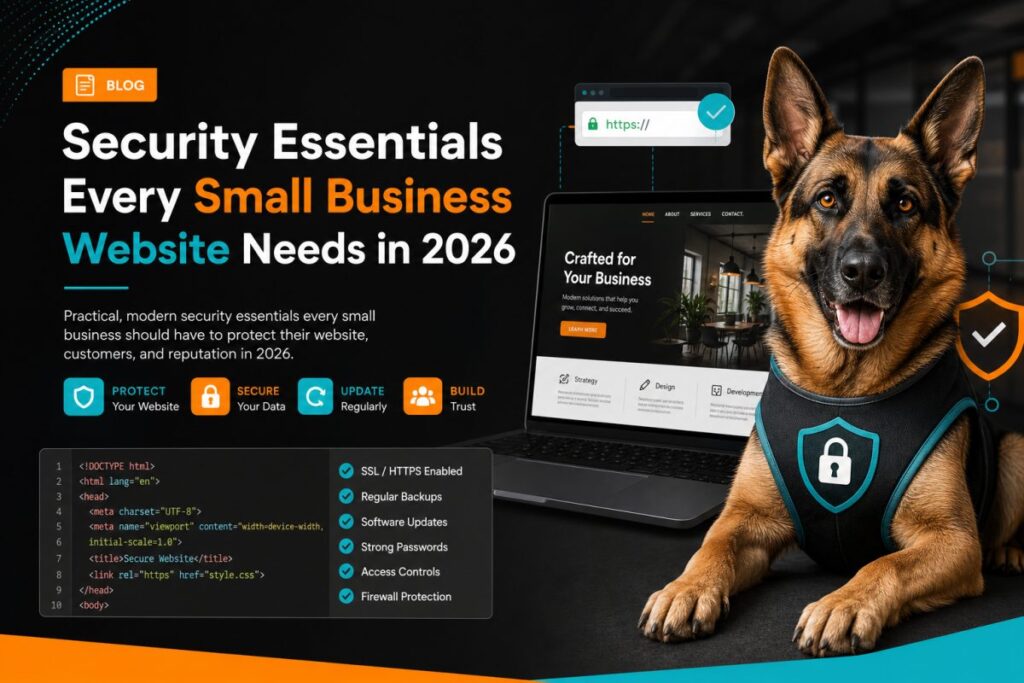
In 2026, small business website security is more important than ever. Cyber threats continue to evolve, targeting websites of all sizes — and small businesses often face the greatest risks due to limited resources and expertise. Protecting your website isn’t just about avoiding downtime or hacks; it’s about safeguarding your customers’ trust and your business reputation. This article breaks down the critical security features every small business website should have to stay safe and resilient in today’s digital landscape.
Why Small Business Website Security Matters More Than Ever
Small businesses are prime targets for cyberattacks because they often lack dedicated IT security teams. A single breach can lead to lost revenue, damaged reputation, and costly recovery efforts. With increasing regulations around data privacy and security, compliance is also a key concern. Investing in the right security measures upfront helps you avoid these pitfalls and positions your business as trustworthy and professional.
Common Threats Facing Small Business Websites
- Malware and Ransomware: Malicious software can infect your site, encrypt data, or redirect visitors to harmful pages.
- Phishing Attacks: Fraudulent attempts to steal user credentials or payment information through fake login pages or emails.
- Brute Force Attacks: Automated attempts to guess passwords and gain unauthorized access.
- SQL Injection and Cross-Site Scripting (XSS): Exploits that inject malicious code into your website’s database or user-facing content.
- Outdated Software Vulnerabilities: Using unsupported or unpatched plugins, themes, or CMS versions opens doors for attackers.
Top Security Features Every Small Business Website Needs
Here are the essential security components that should be part of your website’s defense strategy in 2026. These measures balance technical depth with practical application, ensuring your site is protected without overwhelming complexity.
1. Secure Hosting Environment
Your website’s security starts with choosing a reputable hosting provider. Look for hosts that specialize in WordPress or small business sites and offer:
- Regular server-side malware scanning and removal
- Automatic backups with easy restoration options
- Strong firewall protection and DDoS mitigation
- SSL certificates included or easily integrated
A secure host sets a strong foundation for everything else you build on your site.
2. SSL/TLS Encryption
SSL (Secure Sockets Layer) or TLS (Transport Layer Security) certificates encrypt data transferred between your website and visitors, protecting sensitive information like login credentials and payment details. In 2026, SSL is non-negotiable — it’s a trust signal for users and a ranking factor for search engines.
Make sure your entire site runs over HTTPS and renew your certificate regularly. Many hosts provide free SSL certificates via Let’s Encrypt, which are easy to install and maintain.
3. Strong Authentication and Access Control
Keeping unauthorized users out is critical. Implement these best practices:
- Enforce strong, unique passwords for all user accounts
- Enable two-factor authentication (2FA) to add a second layer of security
- Limit login attempts to prevent brute force attacks
- Regularly review user roles and remove inactive or unnecessary accounts
4. Regular Software Updates and Patch Management
WordPress core, themes, and plugins are frequently updated to fix security vulnerabilities. Running outdated software is one of the easiest ways for hackers to gain access.
Set your site to update automatically where possible, or schedule regular maintenance to check for and apply updates promptly. Partnering with a development studio like Stark Create ensures your site stays current and secure without extra effort on your part.
5. Web Application Firewall (WAF)
A WAF filters and monitors incoming traffic to block malicious requests before they reach your website. It protects against common attacks like SQL injection, XSS, and zero-day exploits.
Many hosting providers include WAFs, but you can also add plugin-based or cloud-based WAF services for an additional security layer.
Additional Measures to Enhance Your Website’s Security
6. Secure Backup Solutions
Regular backups are your safety net. They let you quickly restore your website to a clean state after a breach or accidental data loss. Choose backup solutions that:
- Store backups offsite or in the cloud
- Automate scheduled backups daily or weekly
- Allow easy restoration with minimal downtime
7. Content Security Policy (CSP) and Security Headers
Advanced security headers like CSP, X-Frame-Options, and HTTP Strict Transport Security (HSTS) help protect your site by controlling what content can be loaded and how browsers interact with your site.
Configuring these headers correctly reduces the risk of clickjacking, code injection, and other client-side attacks.
8. Monitoring and Incident Response
Effective security isn’t just about prevention; it’s also about detection and response. Use monitoring tools to:
- Track login attempts and user activity
- Scan for malware regularly
- Receive alerts on suspicious behavior or changes
Have a clear incident response plan to quickly isolate and fix issues when they arise, minimizing damage and downtime.
Building Security into Your Website’s DNA
Security isn’t a one-time checklist — it’s an ongoing process integrated into every stage of your website’s lifecycle. From the initial design and development to daily operations and maintenance, a security-first mindset ensures your site stays resilient as threats evolve.
Partnering with a skilled WordPress development studio like Stark Create means you get expert guidance on implementing robust security tailored to your business needs. We focus on clean code, reliable solutions, and transparent communication so you know exactly how your site is protected.
Conclusion: Secure Your Small Business Website with Confidence
Protecting your website in 2026 requires a multi-layered approach combining secure hosting, encryption, strong authentication, timely updates, and proactive monitoring. These essentials guard against the most common vulnerabilities and keep your business running smoothly.
At Stark Create, we build websites with security embedded at their core. Ready to upgrade your site’s defenses with a partner who values craftsmanship, reliability, and collaboration? Visit starkcreate.com to learn how we can help you build a secure, scalable WordPress website designed for your business growth.